
Bem-vindo ao mundo das corridas de cavalos brasileiras2025
Key Poker Tells Players Must Recognize for Success
Observe shifts in breathing patterns. Players holding strong hands often exhibit slower, controlled inhales, while nervous bluffers may display rapid, shallow breaths. Monitoring these changes can reveal concealed intentions before the cards hit the table.
As players navigate the thrilling world of poker, they must hone their skills in recognizing subtle physical cues that reveal their opponents' true intentions. Understanding the importance of observing breathing patterns, eye movements, and hand gestures can offer invaluable insights into the emotional state of competitors. For instance, consistent eye contact may reflect confidence, while fidgeting or erratic movements often hint at insecurity. To elevate your game further, it’s essential to integrate these nonverbal signals into your strategy. Discover more advanced techniques for mastering your poker face and reading your opponents at rockyspinonline.com.
Watch eye movement and focus. Steady, unwavering stares typically correlate with confidence in one’s position. Conversely, darting eyes or frequent glances away can signal uncertainty or deceit. Recognizing these cues helps anticipate opponents’ strategies without relying on verbal exchanges.
Pay attention to hand gestures and positioning. A relaxed grip on chips or cards suggests comfort and strength, whereas clenched fists or fidgeting may betray insecurity. Subtle adjustments, like touching the face or neck, often arise when individuals attempt to mask their true emotions.
Integrating these observations into your decision-making process sharpens competitive advantage. Leveraging nonverbal signals alongside statistical understanding elevates reading adversaries beyond surface level, refining judgment in high-stakes scenarios.
How to Identify Nervous Habits That Reveal Weak Hands
Watch for inconsistent breathing patterns. Rapid, shallow breaths or sudden sighs often signal discomfort. Such shifts generally indicate uncertainty or a lack of confidence in one’s cards. Pay close attention during critical decision moments, as relaxed breathing tends to return with strong holdings.
Observe hand movements around chips and cards. Fidgeting with chips or repeatedly adjusting cards can betray insecurity. These repetitive actions distract from controlled play and frequently emerge when the hand is weak or a risky bluff is attempted.
Eye behavior offers clear insights. Players avoiding eye contact or frequently glancing away may be concealing poor odds. Conversely, overly intense staring at opponents or the board can act as a smokescreen, but often masks nervousness rather than strength.
Listen for subtle vocal changes. A sudden shift in tone, hesitations before speaking, or involuntary verbal tics reflect internal tension. Players working with strong hands tend to maintain consistent speech patterns and cleaner, more confident responses.
Be alert to posture and micro-expressions. Leaning back abruptly, clenched fists, or tight jaw muscles signal unease. These brief physical tells manifest during moments of doubt or when facing pressure with marginal holdings.
Reading Facial Expressions to Detect Strength or Doubt
Monitor microexpressions around the eyes and mouth: a genuine confident gaze often features steady, unblinking eye contact with minimal tension in the brow, while doubt manifests as brief glances away or rapid blinking coupled with furrowed brows. Tightening of the lips or a slight pursing can signal discomfort or concealed weakness.
Notice asymmetry in smiles–authentic strength usually triggers symmetrical, relaxed smiles, whereas forced or nervous smiles tend to be uneven, often only on one side of the face. This subtle difference reveals uncertain emotions beneath attempted composure.
Watch for jaw clenching or thin lips as indicators of stress or hesitation. Players exhibiting these signs may be masking insecurity or bluffing but struggling to maintain a façade.
Microexpressions last under a second and may contradict verbal cues or betting behavior, making them reliable indicators of genuine sentiment. Swiftly identifying these fleeting expressions demands focused observation and practice in separating involuntary reactions from controlled expressions.
Cluster multiple markers–eye movements, mouth tension, and brow activity–to build a more accurate picture rather than relying on a single gesture. This holistic approach minimizes errors caused by individual variance or intentional masking.
Understanding Betting Patterns as Hidden Tells
Analyze betting size and timing to unveil concealed intentions. Players who consistently place minuscule bets during strong hands often seek to lure opponents into calling. Conversely, abrupt large raises after passive rounds can signal bluff attempts or desperation.
Spot variability across streets:
- Pre-flop: Rapid, small raises frequently indicate standard opening hands, while slow, larger bets may reflect premium cards or traps.
- Flop and Turn: Repetitive bet sizing often demonstrates controlled aggression; deviations may hint at uncertainty or strategic shifts.
- River: Sudden large bets following cautious earlier activity typically represent polarized ranges–either strong value or bluffs.
Pay attention to timing patterns:
- Consistent quick bets usually denote confidence.
- Long hesitations before betting might reveal discomfort or speculative plays.
- Inconsistent response times suggest indecision, useful for adjusting your approach.
Tracking these factors over multiple hands enhances predictive accuracy. Identifying opponents’ habits in bet sizing and speed exposes strategic tendencies otherwise masked by their table demeanor.
Spotting Physical Movements That Indicate Bluffing
Watch for abrupt changes in breathing patterns–bluffers often exhibit irregular, shallow breaths as stress triggers an autonomic response. Rapid eye blinking or avoiding direct eye contact signals discomfort. A subtle chin stroke or neck rub can serve as a subconscious self-soothing gesture, betraying nerve tension.
Hands are particularly revealing. Fingers tapping erratically or a sudden clenching of fists often signal heightened anxiety inconsistent with a strong hand. Conversely, overly controlled hand movements may denote an attempt to mask insecurity. Pay special attention to the timing: if a player hesitates unusually before betting, as if rehearsing their action, it may indicate fabrication.
Involuntary facial microexpressions–brief, fleeting grimaces or forced smiles–offer concrete clues. For example, a smirk that quickly fades or a tightened jaw suggests internal conflict. Shoulder tension or a stiffening posture often accompanies deceit, contrasting with relaxed body language when confidence is genuine.
| Gesture | Indication | Recommended Observation |
|---|---|---|
| Irregular Breathing | Stress, nervousness | Note changes in breath rate during critical moments |
| Rapid Eye Blinking | Attempts to alleviate discomfort | Compare blink rate before and during betting |
| Chin Stroke / Neck Rub | Self-soothing, hiding anxiety | Observe frequency relative to game tension |
| Unnatural Hand Movements | Concealing true emotion | Look for inconsistencies or overcontrol |
| Microexpressions | Subconscious emotional leakage | Focus on split-second facial changes |
| Stiff Posture | Insecurity, stress | Contrast relaxation during confident plays |
Analyzing Speech and Verbal Cues During Gameplay
Monitor changes in tone and speech rate as indicators of confidence or stress. Rapid speech often signals nervousness, while slow, deliberate talking may suggest control or bluffing. Sudden shifts in volume–either louder or quieter–can reveal attempts to manipulate opponents or mask uncertainty.
Listen for hesitation or filler words such as "um," "uh," or repeated phrases, which often point to indecision or deception. Consistent speech patterns that break abruptly after a key move frequently denote strategic calculation or concealed tension.
Pay attention to the content and timing of verbal remarks. Unsolicited comments or questions that try to provoke reactions typically serve as psychological tactics. Conversely, scarce communication during critical moments can reflect concentration or discomfort.
Recognize that certain speech habits are highly individual; therefore, establishing baseline behavior early is crucial for accurate interpretation. Contextualize verbal cues with other behavioral signals to avoid misreading intentional verbal masking.
Players who insert irrelevant topics suddenly or frequently shift conversation topics may attempt to distract or unsettle adversaries. Detecting patterns in sarcasm, irony, or forced friendliness can also provide insight into underlying intentions.
Lastly, observe consistency between verbal expressions and physical demeanor. Discrepancies often expose falsehoods or hidden information, allowing for tactical adjustments during hands.
Adjusting Your Strategy Based on Opponents' Body Language
Tension in posture often signals discomfort or bluffing. When an adversary suddenly stiffens or avoids eye contact during a critical bet, tighten your own game and consider raising to apply pressure.
Rapid blinking combined with shallow breathing may indicate anxiety or uncertainty. Exploit this by increasing aggression, forcing them into tougher decisions.
Observe hand movements. Frequent fidgeting or covering the mouth can betray nervousness. In contrast, deliberate, slow gestures typically accompany confident play; approach these cautiously, as they tend to indicate stronger holdings.
Changes in seating position–such as leaning forward aggressively–can represent readiness to commit more chips or exploit perceived weakness. Respond by recalibrating bet sizes to test the seriousness of their intentions.
Consistent facial expressions may be used to mask real emotions. Detect subtle micro-expressions–brief involuntary twitches indicating surprise or frustration–and adjust your read accordingly.
When body language conflicts with betting patterns, prioritize behavioral cues over verbal or chip movements. Players who verbally project confidence but display closed-off postures often bluff; counter with targeted raises.
Integrate these observations with timing tells. Faster, erratic movements paired with disorganized body language tend to reveal uncertainty, signaling opportunities to apply pressure. Slower, deliberate mannerisms generally reflect calculated strength.


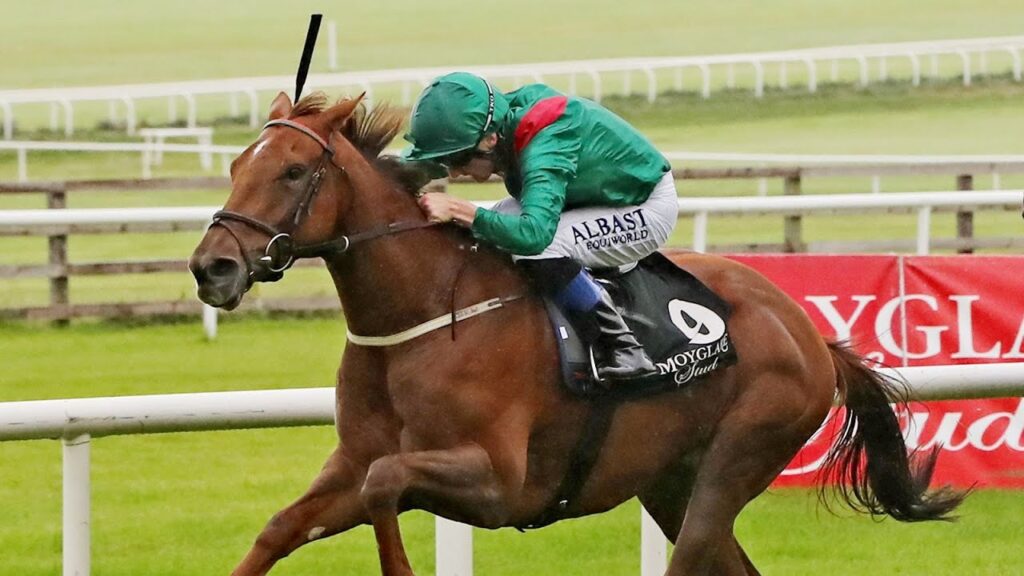
Hipódromo de Cidade Jardim


